NG22
The Gold Coast
Journey across Nigeria, Benin, Togo, Ghana & Côte d’Ivoire
Countries: Nigeria, Benin, Togo, Ghana, Côte d’Ivoire
- 14 daysDuration
- EasyDifficulty
- Activities
- Sightseeing, walking
- Room & Meals
- Hotels and lodges, double sharing rooms. Meals excluded.
- Flights
- Flights by Ethiopian + Emirates: DAY 1 :: DXB-LAG
DAY 14 :: ABJ-DXB - Excluded
- Meals, visas, single supplement
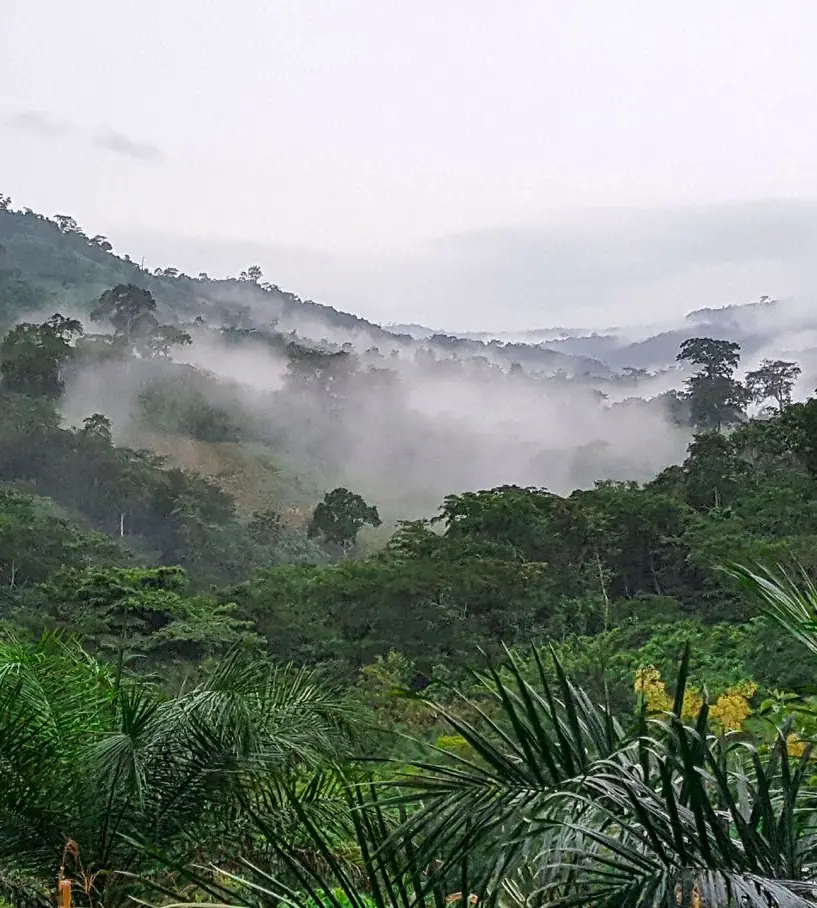
The birthplace of voodoo and a pivotal centre of the slave trade for nearly three centuries, Benin, Togo and Ghana have a rich and complex history and fascinating cultural traditions that continue today. Arriving via Lagos, Nigeria, we’ll discover this little known corner of West Africa on an 11-day journey deep into these countries’ northern reaches and along the Gulf of Guinea coast, to the heart of the regions where voodoo was born and is widely practiced today. We will wander the fetish markets for relics, sail through stilt villages, and discover the mysteries of ancient practices.
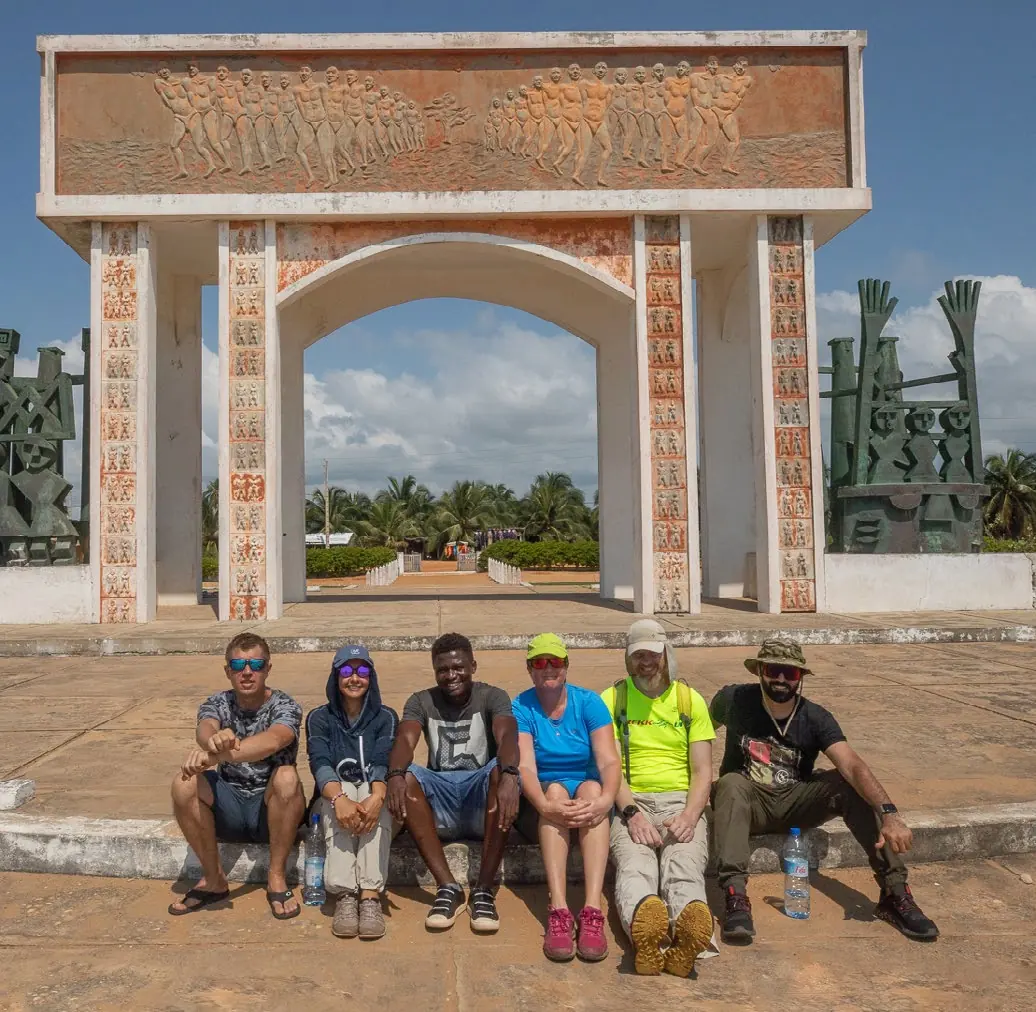
In Benin, formerly known as Dahomey, we will get to know the roots of Voodoo beliefs and practices. The country is also famous for its wonderful local craftsmanship and numerous bustling bazaars. We’ll look through the often-surprising assortment of offerings at a fetish market, visit the Python temple, and explore the Slave Route in Ouidah, a place where enslaved peoples were sold and forced to bid farewell to their homeland forever.
With a population of around 20,000, Ganvie is the largest lake village in Africa, standing on stilts in the middle of Lake Nokoue. 500 years later after its founding, the people of Ganvie have developed their own distinctive culture and lifestyle on the lake. Shaky houses, churches, mosques and other structures are built using red ebony wood, which is resistant to rotting and hence ideal for the watery conditions.
Neighboring Togo, officially the Togolese Republic, is a narrow strip of land located to the west of Benin. This little-known country, whose name translates as "behind the river", is another stronghold of Voodoo and animist practices, and was a key region of the so-called "Slave Coast" in centuries past. Featuring picturesque hilltop villages and palm-lined beaches along the Gulf of Guinea, Togo has suffered under the colonisation of three different nations, resulting in a melting pot of influences that linger to this day. Here we will have the opportunity to learn about the customs of local communities, from mudbrick castle architecture of the Somba people and traditional ceremonies like the Fire Dance to animist beliefs reflected at shrines and fetish markets. We’ll make our through verdant landscapes and have close encounters with wildlife, visiting the Valley of the Bats and spotting rare butterflies in the green hills.
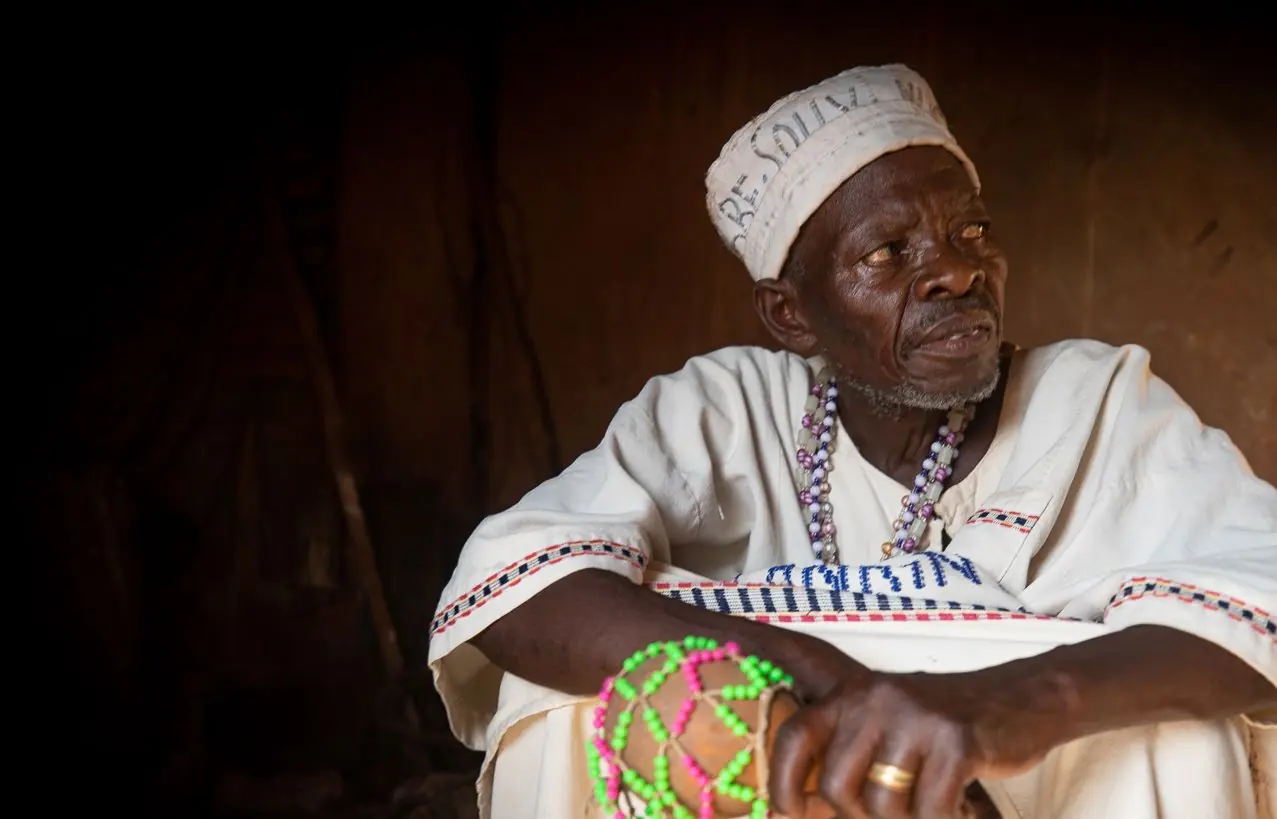
Ghana, the economic powerhouse of Western Africa, is a place where modernization intertwines with ancient rituals. Home to several very unique traditions, such their elaborately decorated coffins, Ghanians are open and welcoming people, freely sharing their lives and inviting guests to participate in their ceremonies. There will be excellent opportunities here to get to know its inhabitants and see the true face of Africa.
Côte d’Ivoire is the undisputed cocoa superpower: about 40% of the world’s chocolate begins its journey here. Add coffee, palm oil, and rubber plantations stretching to the horizon, and you get a country that essentially fuels your morning routine and your dessert cravings. Along the coast, palm-fringed beaches and historic trading towns tell stories of centuries of commerce and cultural exchange, while inland communities preserve ancient traditions, ceremonies, and beliefs that continue to shape everyday life.
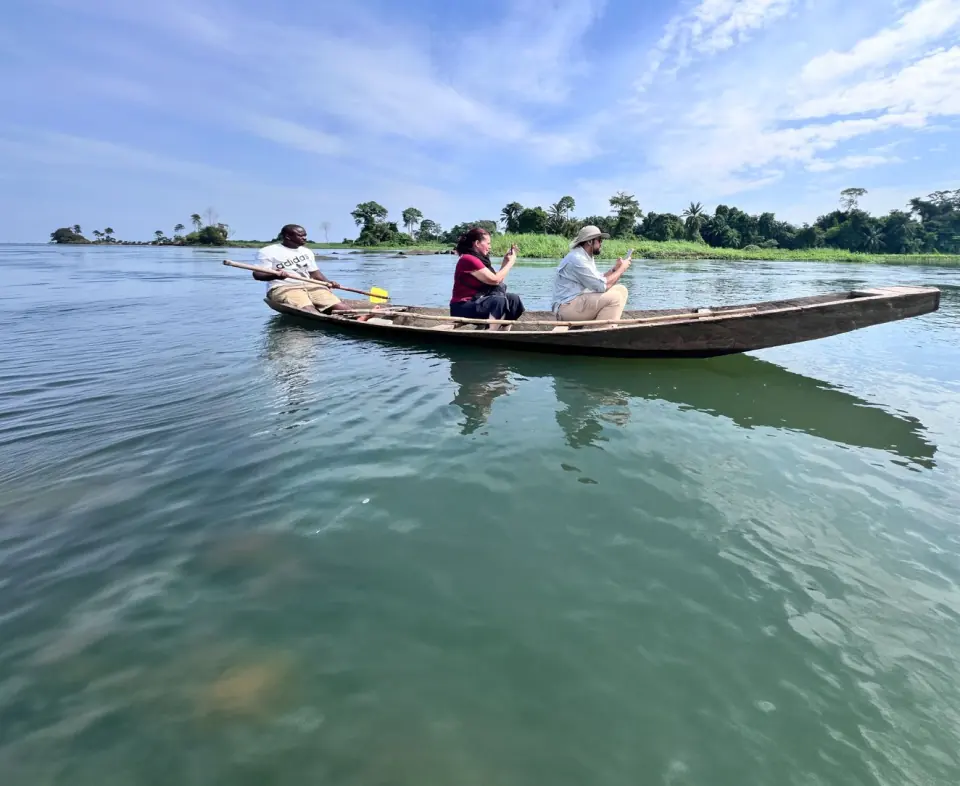
From encounters with Voodoo priests and slithering reptiles to immersion in colorful markets and lush jungles, this trip is a deep dive into the culture and landscapes of Benin, Togo and Ghana. Our journey through this little-known region will surely reveal plenty of surprises, leaving you will memories of a lifetime and a few stories to tell!
Day by day
-
Day 1LAGOS ARRIVAL AND FLOATING VILLAGE
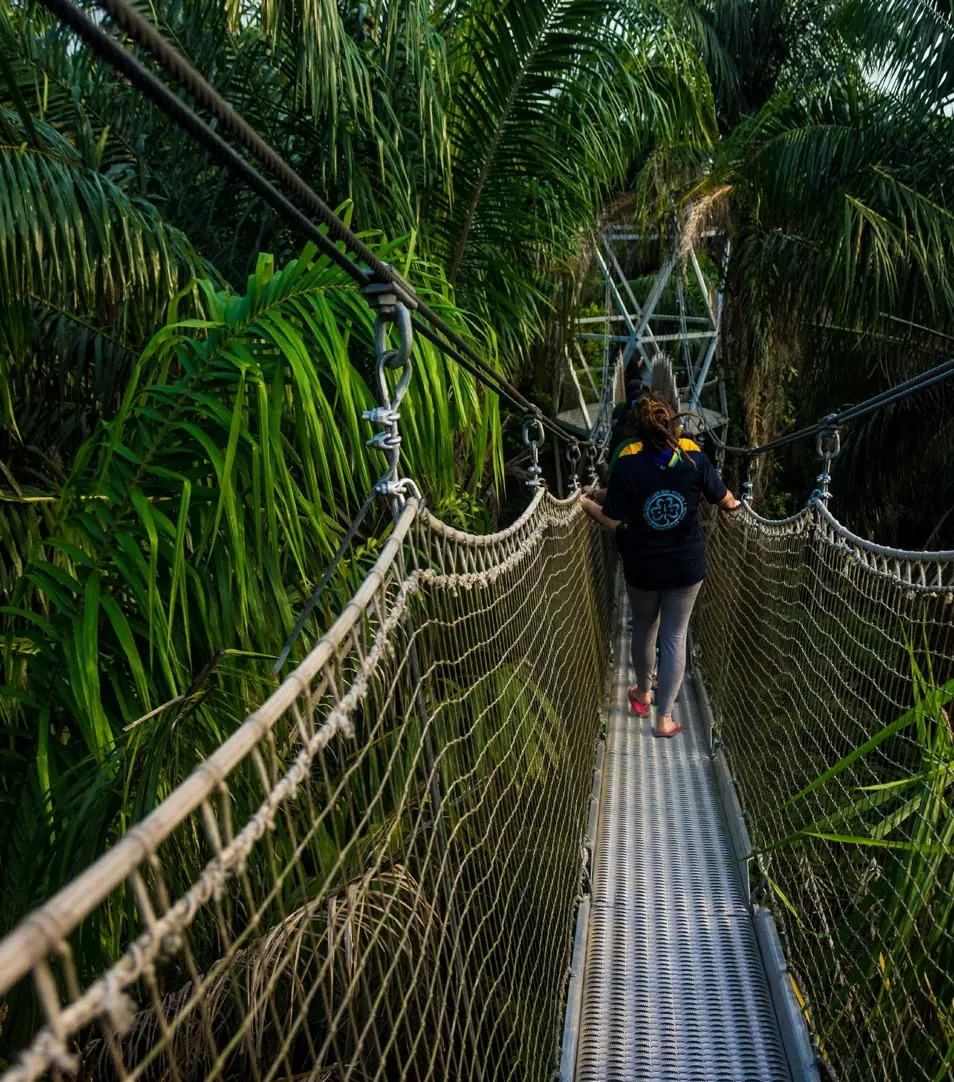
Lagos is a pulsing urban sprawl and one of Africa’s most exciting metropolises. After arrival and immigration adventure, we’ll hit the streets for a city tour. Our stops will include the Nike Art Gallery, one of the largest spaces of its kind in West Africa, with a collection of around 8,000 artworks by various Nigerian artists. Next, we’ll get a taste of African biodiversity right in the middle of the city at the Lekki Conservation Centre, an ecological haven that’s home to native plants and wildlife and plays a vital role in preserving the region’s ecosystem. With more than 78 hectares to explore, we’ll stroll the boardwalks spotting birds, monkeys, snakes, and crocodiles, and tackle the longest canopy walkway on the continent. Finally, we’ll make our way to the famed Makoko floating village… or the Makoko slum, if we’re being less polite. An enormous, unplanned, impoverished community that was first established as a fishing village sometime in the 18th century, today it has grown into a sprawling settlement which is partly on water and partly on land. It is difficult to estimate the full population of Makoko because it is formally unrecognised, but the densely packed area it is believed to be home to more than 100,000 people, and possibly as many as 400,000. The houses on water are built on hardwood stilts in the shallow waters of the lagoon, with each structure usually housing to six to ten people. The meandering canal “streets”, which give the community its nickname of the 'Venice of Africa', are full of canoes carrying children to school and people to work. As well as for getting around, canoes are used for fishing and as floating shops, from which women sell food, water and household goods. Life is difficult here, as the settlement lacks basic amenities such as electricity, sanitation, and medical clinics, and resourcefulness is a necessity. Optional Lagos by night.
-
Day 2BADAGRY AND BORDER CROSSING
Today we delve into West Africa’s painful history of the transatlantic slave trade. We’ll make our way to the coastal town of Badagry, which served as a major port during this era and was the departure point for many slaves. Over the course of three centuries, until slavery’s abolition in 1886, more than 500,000 Africans were sold into slavery through Badagry's coast. Today, the town is known for its historical sites, which we’ll explore, including the slave port, the slave trade museum, the heritage museum, and the First Storey Building, built by early missionaries in the mid-19th century. After an informative visit, we’ll proceed to the Benin border, and once through immigration continue to Cotonou, where we’ll spend the night.
-
Day 3AMAZONS, SNAKES AND SLAVE PORT
This morning we hit the road towards Ouidah, making a stop along the way at the famed monument to the Amazons! A towering, 30-meter-tall statue has been erected in honor of the Agodjie, an all-female regiment of warriors who served and protected the former Dahomey Kingdom from the late 1600s to the early 1900s. Both admired and feared for their bravery, the Agodjie participated in most of the kingdom’s military campaigns for more than 200 years (and inspired the recent Hollywood movie The Woman King, starring Viola Davis). In the late nineteenth century, Dahomey entered into conflict with the French, who were expanding their colonial empire across West Africa. The Agodjie, dubbed the “Amazones du Dehomey” by the colonial forces, were key to the kingdom’s struggle to repel the invasion – but sadly, could not prevail in the face of lines of French muskets. They fought their final battle in 1892, with the loss leading to Dahomey’s demise and the kingdom’s eventual subjugation as a French colony two years later. Independence was not regained until 1960, and the statue now stands near to the Presidential Palace as a symbol of resistance against colonization. We’ll have lunch at popular Fidjrossè Beach, then head to Ouidah, once a major slave port conquered by the Kingdom of Dahomey in the 18th century. The Slave Route, a track down which slaves were taken to the ships, is lined with monuments and leads to the Door of No Return, a memorial arch on the waterfront. The Ouidah Museum of History, based in an 18th-century Portuguese fort, chronicles the city’s slave-trading past. Aside from these tragic reminders of human brutality, today’s Ouidah is a relaxed and welcoming city showcasing interesting examples of Afro-Brazilian architecture, and unique attractions like the Temple of Pythons, a place where these reptiles are revered and worshipped rather than feared. The temple is a spiritual site for followers of Vodun, a religion practiced within West and Central African nations including Benin, Togo and Ghana. In this belief system, snakes are important religious symbols and are highly respected. Spreading to regions of the New World with the African diaspora, Vodun became the inspiration for other religions such as Louisiana Voodoo and Haitian Vodou. As we venture inside, we’ll find dozens of snakes from a species known as the Royal python – but don’t worry, they’re known for their calm and docile behavior. If you dare, you can hold and take pictures with these (totally harmless!) creatures. After a visit to the fort museum to learn more about the city’s history, we’ll end today's experience by walking the slave road till the famous Door of No Return.
-
Day 4STILT VILLAGE AND ANCIENT PALACES
We’ll start our day with a motorboat ride on Lake Nokoue, located on the edge of Cotonou city and directly connected to the Atlantic Ocean by a wide channel. Spotting a range of birds and marine species as we go, our destination is Ganvié, the largest stilt village in Africa. A community consisting mostly of the Tofinou ethnic group, the settlement has its origins in the 16th and 17th centuries, established as a haven for those fleeing the Fon warrior slave hunters. Similar to what we saw in Lagos, life in Ganvié revolves around boats, with men fishing, women trading in floating markets, and children rowing to school, and the villagers are often referred to as "water men". In the 19th century, the French colonizers tried to dismantle Ganvié, viewing it as a symbol of resistance to their rule, but the villagers were able to negotiate and preserve their way of life. Over time, it expanded in size and is today a thriving community with its own economy and culture. This UNESCO World Heritage Site consists of thousands of bamboo and teak stilted homes and buildings, including schools, markets, a hospital – and even a football field! After returning to land, we continue to Abomey, the capital of the former Kingdom of Dahomey from the 17th to 19th centuries. Once a seat of power, it is home to 12 royal palaces from that period, most now in ruins. We’ll get a fascinating glimpse into the past at the surviving palaces of Ghézo and Glélé, which now form the Historical Museum of Abomey. Wandering through ancient corridors and crumbling structures, highlights include well-preserved bas-reliefs on the palace walls and a throne mounted on human skulls. Afterwards we hit the road towards Dassa, where we’ll spend the night.
-
Day 5SACRED HILLS AND FETISH SHRINES
Welcome to Dassa-Zoumè, the land of the 41 sacred hills. The area surrounding the small town of Dassa is an undulating landscape concealing ancient traditions and mysterious sites of worship. An early start takes us on an intense day starting at Dankoli Fetish, a shrine dedicated to Voodoo and animist cults which provides unique immersion into these practices. Thousands of small votive sticks are pushed into the fetish by worshippers, reflecting prayers for good harvests, marriages, and other wishes. Once a prayer is answered, the supplicant returns to fulfil their promise of a sacrifice – usually a goat, chicken or cow, according to the nature of the prayer. In the afternoon, we’ll pay a visit to the Taneka villages to meet the Tangba people, a collective of ethnic groups who took refuge in the caves of the surrounding mountains about two centuries ago, to escape the slave traders arriving from the south and the Islamicization pressing in from the north. Here they began to create their own social rules and unique cultural identity which remain unchanged to this day. As custodians of the animist religion of the area, the Tangba are considered a magical people, and political power is wielded by the king who presides over each village. Their settlements are perched between the rocks and the bush, camouflaged so that they are hidden from view when coming up from the lowlands. We will be welcomed by village elders to learn about their unique architecture, as well as the community’s cultural practices and beliefs, including their initiation rituals. We continue to Natitingou, where we’ll visit the fascinating ethnographic museum, and afterwards hit the town to try some local food and beer.
-
Day 6BORDER CROSSING, MUD CASTLES AND FIRE DANCE
Today we set off towards the northern-western reaches of Benin to Boukoumbé, making the crossing into Togo. We’ll wind our way through the Somba and Tamberma regions, home to native peoples known for their indigenous architectural expertise. We’ll encounter distinctive mudbrick structures which showcase the traditional African architecture so admired by Le Corbusier, the famed Swiss French architect and designer. The Somba, also known as the Tammari or the Batammariba, live in takietas, a kind of miniature castle laboriously built with clay, wood and straw. These fortified dwellings have their origin in the 17th century, used as protection from the slave raids of the Kingdom of Dahomey. Two centuries later, they would protect the villagers from the German colonial forces. We’ll stop to tour a village and see these ingenious homesteads for ourselves, discovering how each family dwelling reflects their spirituality and survivalist instincts. The structures usually have two floors: the lower with a kitchen and an area for animals, and the upper floor with bedrooms, a barn, and a terrace used for drying grain. On the outside of the houses, we’ll see the fetishes that prevent bad spirits from entering the home. We’ll continue on to Sokode, and end our day by witnessing another marvel: the Fire Dance ritual of the Tem people, a mesmerizing display of bravery, belief, and cultural heritage set against the backdrop of a raging bonfire and the sound of pounding drums. This traditional practice sees participants, in a trance-like state, light sticks and branches and pass the burning flames and embers over their arms and legs, apparently without suffering any burns or feeling any pain. It’s a spectacle that very few people are privileged enough to see, and one we’re unlikely to ever forget.
-
Day 7CRAFTS AND BAT VALLEY
Today we head south, making our way through lush tropical landscapes towards Atakpamé, where we’ll stop for lunch. We’ll continue on to Kpalimé, the most important crafts region in the country, where countless artists and artisans have settled and opened their workshops. We’ll make a stop at the handicrafts center, where we’ll have the opportunity to earn about local artistic traditions such as batik, woodcarving, weaving, and calabash work – plus pick up a souvenir or two for ourselves. In addition to crafts, Kpalimé is known for its enormous bat population, with the trees covered in what at first seem like dark hanging fruits. We’ll end our day with a sunset tour of the Valley of the Bats, located on the outskirts of the city. A local guide will lead us through this unique habitat for various species of bats, providing a rare opportunity to observe these fascinating creatures in their natural environment.
-
Day 8HILLS OF KOUMA KONDA TO CAPITAL LOMÉ
This morning we’ll head up into the hills for a walk through the village of Kouma Konda, famous for its homes with brightly painted doors and windows, to say hello to the locals and watch the artisans at work. Then we’ll set off on a guided hike up Mount Klouto led by a local entomologist, who will help us spot the many rare species of colorful endemic butterflies and insects. From the heights we’ll enjoy sweeping views of Kpalimé town from above, surrounded by the lush greenery of small farms and coffee, cocoa and banana plantations. After, we’ll hit the road towards Lomé, the capital of Togo, a lively and cosmopolitan city despite its small size. It not only has a unique identity stemming from its status as a former German, British, and French colony, but it’s also one of the few capitals located right on the border of another country, influencing its diverse blend of cultures and architecture. With people of different nationalities converging to live and do business, here we’ll find a mix of customs and identities and a lively center of trade. We will explore the bustling main market with its famous women traders known as “Nana Benz”. These pioneering female merchants transformed the textile trade in the region, and became powerful socio-economic figures in Togo and beyond. The Nana Benz have become cultural icons representing the resilience, savvy, and entrepreneurial spirit of African women. The “Benz” comes from the Mercedes Benz cars that these successful ladies liked to drive! We’ll continue to the administrative district, where we’ll see impressive examples of colonial architecture, and then head to the fetish market, offering items for those looking for love, prosperity, good health and more.
-
Day 9BORDER CROSSING AND VOLTA REGION
Today we cross the border into Ghana, driving through the heart of the Volta region, renowned for its colorful festivals and ceremonies and widely considered the most beautiful part of the country. Here we’ll find a lush, highland area full of spectacular natural attractions, from inviting beaches and clear rivers to botanical gardens and beautiful waterfalls. In addition to incredibly scenic landscapes, the region boasts the highest waterfalls in West Africa and the largest man-made lake in the world. We’ll make a stop to visit the Krobo people, known for their ornamental glass beads worn for ceremonial and aesthetic purposes. We will visit a community of local artist-craftsmen to learn about their centuries-old jewelry-making process, where ground glass is shaped into colorful patterns and placed in handcrafted clay molds. The beads are then fired, decorated, washed, and finally threaded. We’ll continue on to our destination of Akosombo, a small town bordering a major dam on the Volta River which generates a substantial amount of Ghana's electricity and has created the largest artificial body of water in the world: Lake Volta.
-
Day 10AKOSSOMBO WATERFALLS
Relaxing day in the nature. Start the day with kayaking nearby Trident island, further on continue to Boti waterfalls, Umbrella Rock, Ansenema waterfalls. Head towards Accra.
-
Day 11ACCRA AND FANTASY COFFINS
Accra, the capital of Ghana, has retained its unique identity despite its rapid development. The old district of James Town, once the site of a native village, in 1674 the British established a fort here – the last such last European trading post ever to be built in Accra. James Town is inhabited by a local population called the Ga, descended from immigrants who came down the Niger River and across the Volta during the 17th century. The Ga people believe that when someone dies, they move to another life, and the community has become known for their elaborate funeral celebrations and processions, and their famed “fantasy coffins”. A way for families to pay their last respects to the deceased and set them up for their next chapter, a tradition of extravagant coffins crafted by highly skilled carpenters and artisans has spread rapidly over the last 50 years. These special handmade coffins can be in any shape or form: fruits, animals, fish, cars, planes... the only limit is imagination! They are usually crafted to reflect a character trait or the occupation of the deceased – for example, a taxi driver would usually be buried in a coffin shaped like a car. Depending on how elaborate the design, prices can vary, with the most expensive costing upwards of $600 – incredibly expensive considering that many local families only earn $50-100 a month. A truly unique African cultural tradition, these coffins are now exhibited in museums and collected around the world. Our tour ends with a visit to a workshop specializing in these whimsical and imaginative coffins. As we marvel at the creativity and craftsmanship, it’s a fitting end to our journey across this vibrant corner of Africa. In the afternoon connecting flight to Abidjan. Immigration procedure, head Cocody for a free time to wind down at any number of stylish restaurants and rooftop shisha bars, indulging in panoramas of Abidjan paired with grilled meats or fresh salads while grooving to Afrobeats. Overnight in Abidjan.
-
Day 12ABIDJAN + FLIGHT TO SAN PEDRO, BOAT ON NERO RIVER
It is time to wave Abidjan goodbye and head south. Named after Saint Peter by early Portuguese mariners who adapted the Spanish “San Pedro” into the French “San-Pédro,” the city now reigns as the world’s largest cocoa exporting port, its docks alive with the rhythm of loading ships and the scent of roasted beans drifting on the breeze. Late afternoon we’ll spend on the beach, where golden sand meets your “when was the last time I swam in Atlantic?” Time for fiery orange at sunset as we set out for Nero river boat trip in a search for alligators.
-
Day 13GRAND BEREBY, DODO RIVER + SECLUDED BEACH RESORT
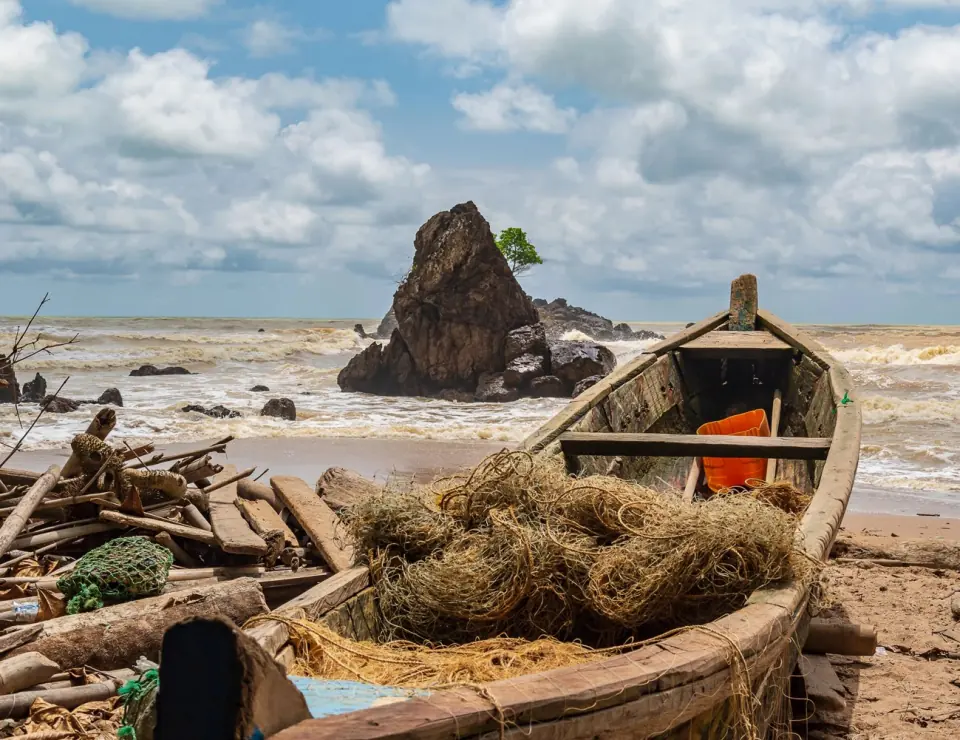
Just a short distance away is Grand-Béréby, where a traditional wooden pirogue boat awaits to take us on a serene journey along the Néro River through mangroves alive with monkeys. After, we’ll wander the timeless fishermen’s quarter: think painted pirogues resting on the sand, fishermen hauling nets and coiling ropes, and fish grilling over coconut husk fires. A simple lobster dinner on a beachfront, at a humble table lit by candles and the first stars. As night deepens, although the time is measured by tides, its time to turn the constellations. Nighttime belongs to turtles. Watch your step, the leatherback nests here. Its time for night swim and walk to nearby village along the serenity of the moonlit beach.
-
Day 14DRIVE BACK AND DEPARTURE
With pockets full of memories, its time to bid farewell to Gold Coast and head to airport for return flight home.
Photos
See yah in West Africa xTrekkup Crew
For dates and prices, see the upcoming trekkups.
More trekkups
-
 MR21
Iron Ore Express
Journey across Mauritania feat. Western Sahara Countries: Mauritania, Western Sahara Difficulty: Easy6 days -
 PG09
Lost Worlds of Melanesia
Journey Across Papua New Guinea, Solomon, and Vanuatu Countries: Papua New Guinea, Solomon Islands, Vanuatu Difficulty: Moderate11 days -
 DJ06
Moonscapes & Whale Sharks
Exploration of Djibouti Countries: Djibouti Difficulty: Easy to Moderate5 days